How Do You Keep an Uncensored AI Character Consistent Across Hundreds of Photos?
By Marcus, AI generation expert at OFMAI · Updated
Plans from $9.99/month.
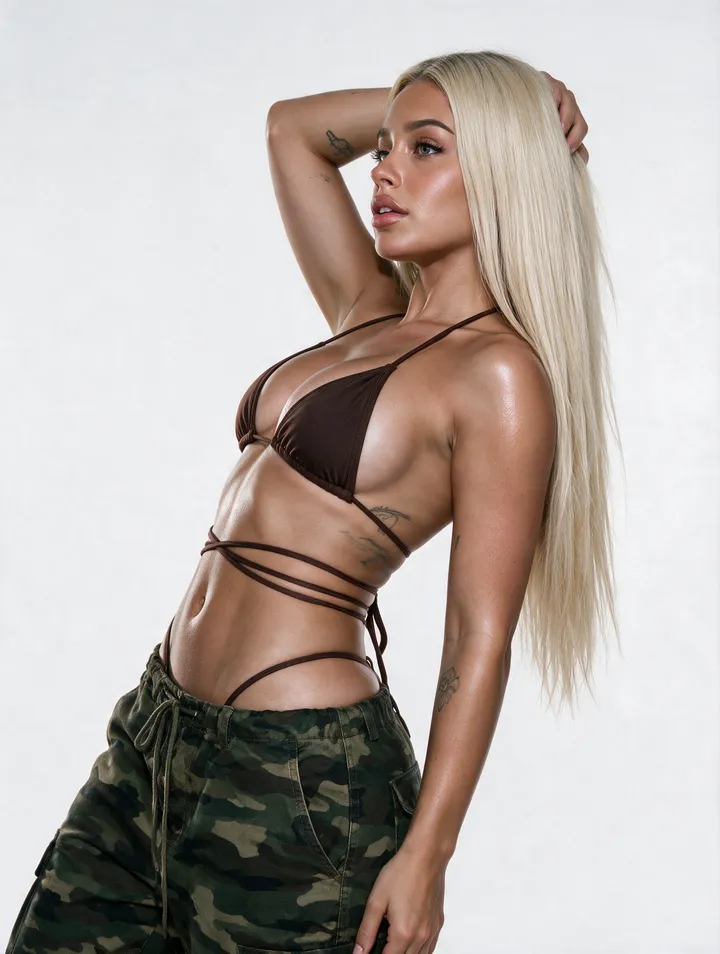
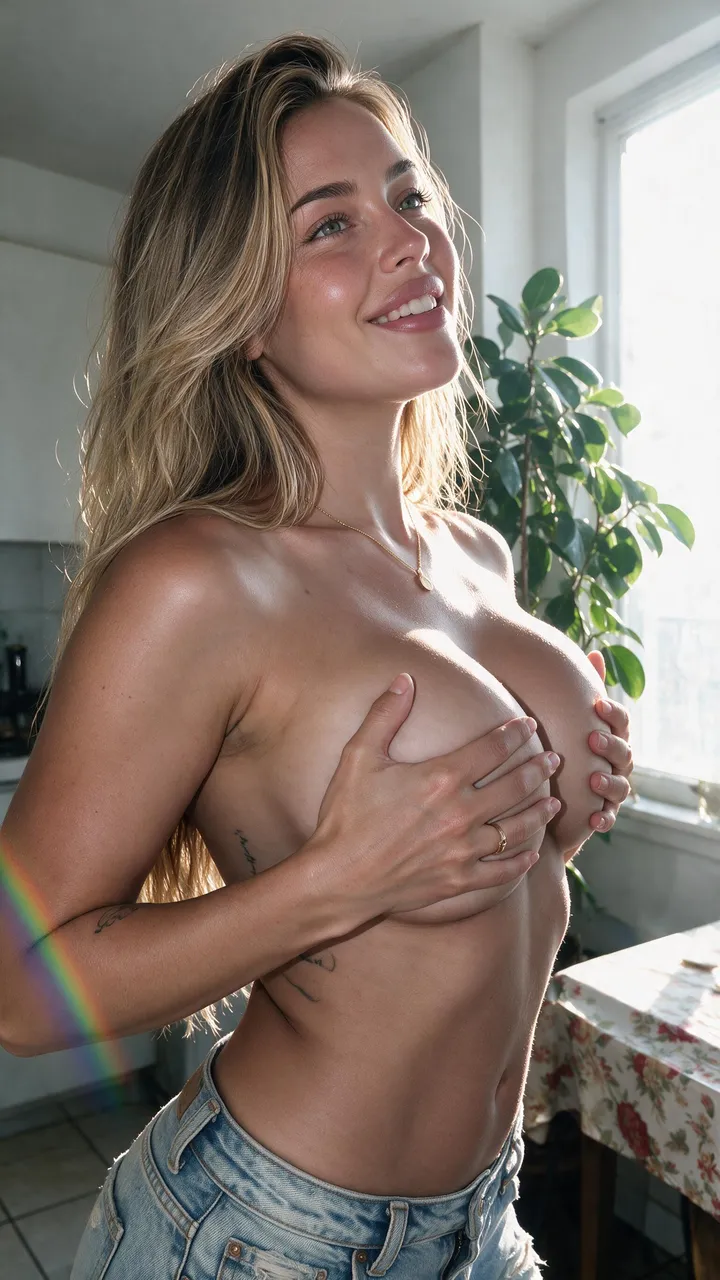
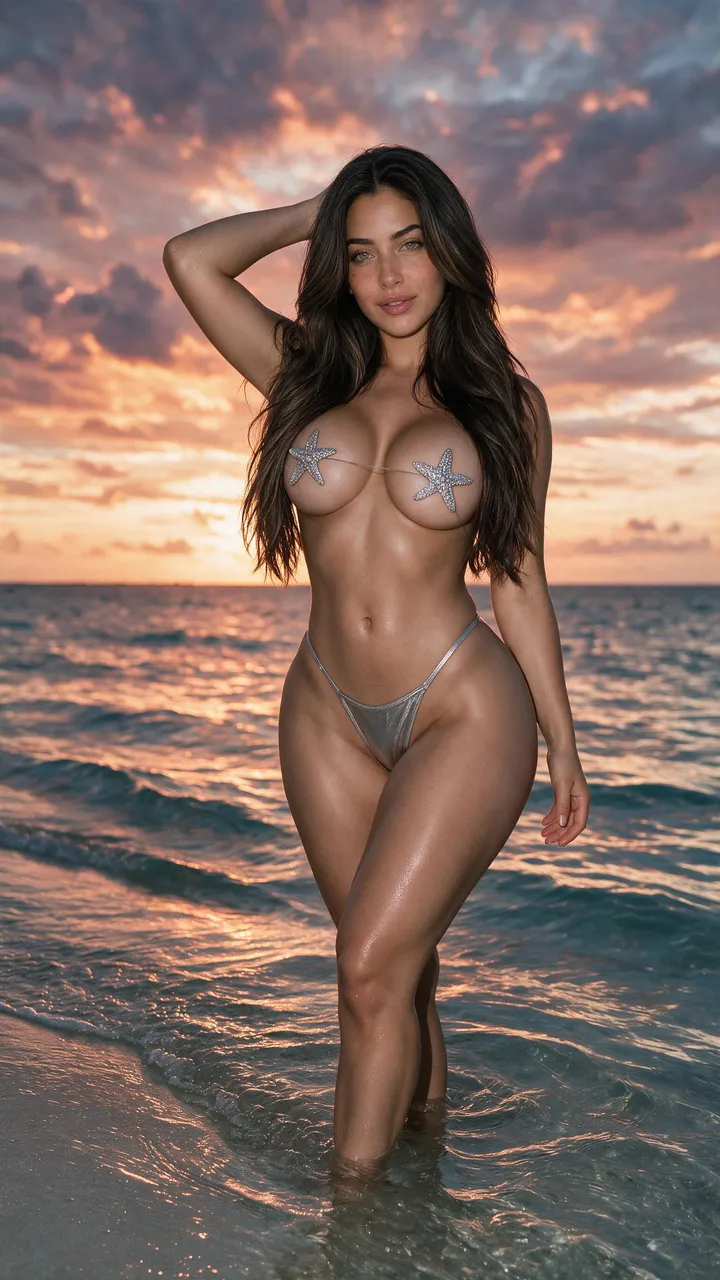
Stop storing the character in your prompt. A prompt is re-read from scratch on every generation, so the only reliable fix is to put the identity somewhere that persists: a saved character record, a trained adapter, or a reference image the generator reads as pixels instead of words. On OFMAI the identity lives in a character you build once - from three of your own reference photos, with no training, or designed from a text description - and that same look, body and morphology is reused in every later photo, so hundreds of 18+ stills are one setup plus 3 credits a shot.
That is one of six routes, and the adult constraint rules several of them out. Some of the best character systems on the market sit on general-purpose platforms whose own written rules forbid adult work, so a library built on them can be unbuildable or unsafe to keep. Below: where identity can live, what each route costs per photo, how many reference photos to prepare, and the honest ceiling - 2026 guides such as Lensgo's consistent-character guide, read in November 2026, are clear that consistency with current tools is approximate, not perfect, so the route that wins is the one where a bad take is cheapest to throw away.
Plans from $9.99/month.
Why does an uncensored generator give you a different person on every prompt?
Because a text-to-image model remembers nothing between generations: each run starts from fresh noise and reads your words again, and words are far too loose a constraint for a specific body. Even a paragraph of description leaves room for a different nose, a different build and a different age every time, which is why re-prompting a generic uncensored generator never converges on one person.
getimg.ai's 2026 guide to consistent characters, published in April 2026 and read in November 2026, names the three failure modes you will actually see. Identity drift: features shift slowly across a set until photo 90 is not the person in photo 10. Attribute bleed: a detail from the scene - a jacket, a hair colour, a tattoo - migrates onto the character or disappears. Pose degradation: the person holds up in a flat standing shot and falls apart in a hard angle or dramatic lighting.
All three get worse with volume, which is the problem with hundreds of photos specifically. A drift you cannot see between two consecutive shots is obvious across a month of posts, and by then the whole back catalogue is mixed.
Where can a character's identity actually live? Six routes compared (November 2026)
OFMAI - a persistent character in a hosted adult studio. Identity lives in: a character record created once and used to condition every later generation, so you never describe the person again. Setup: three reference photos of your own (portrait, front, back), no training, ready in minutes, or designed from a text description. Adult work: our own published policy permits legal, consensual adult content and permanently bans minors, synthetic depictions presented as adults, non-consensual content and any real person's likeness used without consent. Cost: 3 credits per 18+ photo, 2 clothed, 2 per image edit, and the same character carries into video and into a cloned or designed voice. Hosted in the browser - no GPU, no install, no model setup.
A trained character adapter on your own machine. Identity lives in: weights you trained, loaded in a local pipeline such as ComfyUI or Forge. Setup: the heaviest of the six - a dataset, a training run, a node graph and your own model updates to maintain, per character. Adult work: nothing to ask permission for, since inference runs on your hardware; the limits are the checkpoint licence and the law. Cost: no per-photo fee, but your own card and your own time, and Apatero's September 2026 comparison of the three ways to hold a character, read in November 2026, rates a trained adapter the strongest lock while putting its setup effort at high. This is the right answer if you want offline control and full fidelity and you enjoy running the stack.
A hosted training endpoint. Identity lives in: the same kind of trained weights, but trained and served for you. Setup, per fal.ai's character-consistency guide read in November 2026: a working minimum of ten or more varied photos, references at 1024 x 1024 or larger with no compression artefacts, and a default run of 1,000 steps at $2 per run. Generating a scene from the result runs about $0.10 per 1024 x 1024 image on the same page. Adult work: depends entirely on the host's terms - read them before you train, because the model you paid for is useless if you cannot serve it.
Reference-image conditioning, per generation. Identity lives in: the reference file you attach each time, read as pixels rather than words. Setup: none - you can start in the next minute. Trade-off, per Apatero's September 2026 table: consistency is good but depends on the anchor, and you re-attach on every generation, which is manageable for ten photos and tedious for three hundred. The same fal.ai guide, read in November 2026, caps a request at 12 references combined, so it is a per-shot tool, not a library tool.
A saved character inside a general-purpose hosted generator. Identity lives in: a named character you create once in the product and call in later prompts. getimg.ai's Elements, in that April 2026 guide, takes 1 to 20 reference images mixing close-up, three-quarter and full-body shots, with no training. These systems are genuinely good and they are the right default for mainstream work. The catch for this question is the content rules: several of the strongest live on platforms whose own terms forbid adult output, so check each product's current terms before you commit a paid library to it.
A prompt template plus a fixed seed. Identity lives in: nothing durable - a block of text you paste and a seed you reuse. Setup: free and immediate. getimg.ai's guide rates this the least reliable of its four methods, and that matches what people report: it survives a handful of shots in one style and collapses as soon as the scene, the lighting or the crop changes. Worth having as a fallback, never as the plan for a library.
How do you build a reference set that holds up over hundreds of photos?
OFMAI asks for three photos - a portrait, a front view and a back view - because the character is built from them rather than trained on them, and the back view is what carries the body and morphology rather than the head alone. If you are designing the persona instead of cloning a look you already have, you can skip references entirely and write a description.
The training routes want more and want it varied. fal.ai's guide, read in November 2026, puts the working minimum at ten or more varied photos at 1024 x 1024 or larger, and makes the point that matters most: photos taken on different days, at different distances and under different lighting are worth more than near-identical portraits. getimg.ai's April 2026 guide says the same thing in its own terms, recommending a mix of close-up, three-quarter and full-body shots across its 1 to 20 slots.
The reason is the same in both cases. A reference set shot in one room under one lamp teaches the system that the room and the lamp are part of the person, and you will spend the next hundred photos fighting a background you never asked for. Vary the input and you buy yourself range later.
What does a library of hundreds of 18+ photos cost on OFMAI?
Per shot: 3 credits for an 18+ photo, 2 for a clothed one, 2 for an image edit. Building the character itself is 12 credits designed from scratch, 22 with its 18+ version included, or 10 to add the 18+ reference set to a character you already have.
At volume that is the figure to plan on. The Business plan's 300 monthly credits are 100 18+ photos a month for $49.99, which works out at $0.50 a photo. The Agency plan's 1000 credits are 333 a month for $149.99 - genuinely hundreds, on one character, without re-describing the person once. Plans start at $9.99.
Two details that change the arithmetic. Failed generations are refunded automatically, so a job that errors does not cost you. And purchased credit top-ups never expire, while subscription credits renew each month - so a burst month is cheaper to cover with a top-up than with a plan you then stop using.
What makes a character drift, and how do you catch it before photo 200?
Change one variable at a time. Most drift reports come from changing the scene, the crop, the wardrobe and the lighting in the same step, which leaves nothing to blame. Move one, keep the rest, and you can see which one the identity does not survive.
Approve a spread before you commit. Generate a small set across the scene types you actually publish - a flat studio shot, a mirror selfie, a low angle, a strong side light, an outdoor scene - and look at them side by side rather than one at a time, because drift is invisible between consecutive shots and obvious across a grid. Whatever breaks in that spread will break at scale.
Then price the rejects, because that is the real decision. On a hosted studio a bad take costs 3 credits and you shoot another; on a local stack it costs minutes of GPU time per attempt plus the hours you already spent on the training run. Neither route is perfect - the 2026 guides are consistent that current tools get you approximate, not identical - so the honest comparison is not which one never drifts, but which one makes a throwaway cheap.
When is OFMAI the wrong choice for this?
If you want full offline control, your own weights and no per-credit fee, run a local stack instead. A trained adapter in ComfyUI or Forge is the strongest lock available and it is yours; the price is the dataset, the training run, the node graph and the maintenance, per character.
If you want a chat companion, a scheduler or a CRM, this is the wrong layer entirely. OFMAI makes content to publish and sell; it does not answer fans, send messages or manage chatters, and agencies pair it with separate tools such as Infloww, Supercreator or OnlyMonster for that side. It is also not a publishing hub - you export and post wherever you already sell.
And it is not a route to cloning a real person. Any real person's likeness used without consent is permanently banned, as are minors, synthetic depictions presented as adults and non-consensual content. If the character you have in mind is a real model, that needs her written release first - and each platform you publish on sets its own AI-content rules, so check those before you build a library around a persona.
At a glance: where identity lives, and what it costs
- Persistent character, hosted (OFMAI): built once from three reference photos with no training, or from a description; reused in every photo, video and voice note; 3 credits per 18+ photo.
- Trained adapter, local: strongest lock and full offline control; heaviest setup, per character; no per-photo fee, your own GPU and time.
- Hosted training endpoint: ten or more varied photos at 1024 x 1024 or larger, 1,000 default steps at $2 a run, about $0.10 per scene image (fal.ai guide, November 2026); check the host's adult terms first.
- Reference image per generation: no setup, good but anchor-dependent, re-attached every time, capped at 12 references per request - a per-shot tool, not a library tool.
- Saved character in a general-purpose generator: 1 to 20 reference images, no training (getimg.ai, April 2026); excellent for mainstream work, often closed to adult output by its own terms.
- Prompt template plus fixed seed: free, and the least reliable of the methods - a fallback, never the plan for hundreds of photos.
Clone your model and generate your first content in minutes.
Plans from $9.99/month.
OFMAI in numbers
- creators signed up
- 12,000+
- photos and videos generated
- 70,000+
- videos generated
- 10,000+
Frequently asked questions
How do I keep an uncensored AI character consistent across hundreds of NSFW photos?
Move the identity out of the prompt and into something that persists. The practical options are a saved character in a hosted adult studio, a trained adapter you run locally, or a reference image attached to each generation. For hundreds of photos, a saved character is the only one that does not add work per shot: on OFMAI you build the character once from three reference photos with no training, or from a description, and every later generation reuses the same look, body and morphology at 3 credits per 18+ photo.
Do I need to train a LoRA to keep an adult character consistent?
No. Training gives the strongest lock and full local control, and Apatero's September 2026 comparison, read in November 2026, rates it that way - but it also rates its setup effort high, per character. A persistent character record gets you a stable, reusable identity with no dataset and no training run, which is why OFMAI builds one from three reference photos in minutes instead. Train only if you want offline control or maximum fidelity and you are happy maintaining the stack.
How many reference photos do I need?
It depends on the route. OFMAI uses three - a portrait, a front view and a back view - because it builds a character from them rather than training on them. Training routes want more and want them varied: fal.ai's guide read in November 2026 puts the working minimum at ten or more varied photos at 1024 x 1024 or larger, and getimg.ai's April 2026 guide takes 1 to 20, mixing close-up, three-quarter and full-body shots. In every case, shots taken on different days, at different distances and in different light are worth more than near-identical portraits.
What does one 18+ photo cost, and how far does a plan go?
An 18+ photo is 3 credits on OFMAI, a clothed one 2, an image edit 2. The Business plan's 300 credits are 100 18+ photos a month for $49.99, or $0.50 a photo; the Agency plan's 1000 credits are 333 a month for $149.99. Plans start at $9.99, failed generations are refunded automatically, and purchased credits never expire while subscription credits renew monthly.
Will the character be identical in every single photo?
No route available in 2026 is pixel-identical, and anyone claiming otherwise is selling something - Lensgo's consistent-character guide, read in November 2026, states plainly that consistency with current tools is approximate rather than perfect. What a persistent character buys you is that the same look, body and morphology carry across the set, so drift shows up as a take you reject rather than as a different person. Judge a tool on how cheap a reject is: on OFMAI it is 3 credits.
Can I build the character from photos of a real person?
Only with that person's consent. Using any real person's likeness without consent is permanently banned on OFMAI, along with minors, synthetic depictions presented as adults and non-consensual content, and enforcement combines automated detection and human moderation. If you are working with a real model, that means a signed release before you upload anything. Each platform you publish to also sets its own AI-content rules, so check those before you build a library.
Related: Uncensored AI image generator · NSFW image generator · Uncensored AI video with a consistent character · Hosted alternative to ComfyUI · OFMAI pricing · Switching an existing page to AI content · How much revenue custom requests bring in
OFMAI is an 18+ platform for consensual, legal adult content only. We strictly prohibit any content involving minors (including synthetic depictions presented as adults), non-consensual content, and the use of a real person's likeness without their consent, enforced by automated and human moderation. Competitor names are referenced for comparison only and are trademarks of their respective owners; OFMAI is not affiliated with or endorsed by them.
Build the character once, shoot the library after
Create one character from three reference photos with no training, or design one from a description, then generate hundreds of photos of that same look and body - plus video and voice - at 3 credits per 18+ photo. Plans start at $9.99 and failed generations are refunded automatically.
Plans from $9.99/month.