How Do OFM Agencies Recruit Real Models for AI Cloning Deals?
By Marcus, AI generation expert at OFMAI · Updated
Plans from $9.99/month.
Through five channels, none of them a job ad for an "AI clone": a referral from a model already on a licence, warm outreach to creators who are already selling, model and talent agencies, likeness-licensing startups, and open casting for a paid reference session. The channel is the easy half. What closes the deal is a written likeness licence naming a fee, a scope and an end date, signed before the first image is generated - the agency is buying a licence, not making a hire.
Pay is where recruiting stalls, because no benchmark is published for an adult AI clone. Two public numbers bracket it. Outside adult, a 30-day likeness campaign runs $300 to $900 for standard talent and $1,000 to $3,000 for a creator with 50,000 to 500,000 followers, with full buyouts at $2,500 to $15,000 and $15,000 to $50,000 (Toptal, "Should You License Your Likeness to AI?" by Utkarsh Shrivastava, read 19 November 2026). Agency management commission is a separate 20% to 70% of net depending on scope (Desirely's OnlyFans agency commission glossary, read 19 November 2026).
One gate sits before the session rather than after it. In California, a provision letting you create and use a digital replica in place of work she would otherwise have performed is unenforceable, for a performance fixed on or after 1 January 2025, if it lacks a reasonably specific description of the intended uses, or if she was not represented either by counsel who negotiated those terms in a signed or initialled writing or by a union whose agreement expressly addresses digital replica uses (California Labor Code section 927, current as of 1 January 2026, read on codes.findlaw.com 23 November 2026).
Our position, plainly: OFMAI is the content layer and nothing else - not a CRM, an AI chatter, a scheduler or a recruiter, and it drafts no contracts. It builds one character from 3 reference photos (portrait, front, back) with no training, or designs one from a text description, then generates that character's photos, short videos, image edits and voice notes with the same look and body in every output. It is strictly 18+ and permanently blocks any real person's likeness used without their consent, enforced by automated detection and human moderation. This is not legal advice, and likeness law differs by state and by country.
Plans from $9.99/month.
How do OFM agencies recruit real models for AI cloning deals?
By running a short sales process rather than a hiring process. The agency picks a look it can already sell, approaches her through one of the five channels above, puts a written offer in front of her with a fee, a scope and a term, waits while she takes it to her own adviser, and only then books the reference session. The order is what people get wrong: consent has to exist before the first image is generated, not before the first image is published.
The other thing that separates a working pipeline from a stalled one is that the licence and the management deal are two documents. Commission buys a staffed inbox - messaging, pay-per-view sales, planning, promotion, reporting - at 20% to 70% of net depending on scope (Desirely, read 19 November 2026). A licence buys an input that keeps producing after she goes home. Bundling both into one percentage is the commonest reason a recruited model walks before the first payout. The content bill is a third line again, and on a studio like OFMAI it starts at $9.99 a month, so it can be quoted to her as a number instead of hidden inside the split.
Where do agencies find models who actually sign?
Ranked by how often the deal closes rather than by how many names a channel produces: referral first, warm outreach second, talent and licensing intermediaries third, open casting last. The ranking tracks how much the model already knows about what she is signing. A referred model arrives with a reference; a cold applicant arrives with a guess, and the guess is what later becomes the dispute.
The cheapest channel also has the worst record, and the record is documented. Contracts reviewed by the BBC set agency commissions "commonly around 50%, with some rising as high as 70%", with creators alleging exit penalties - one said she was told she would have to pay £10,000 to leave - and threats to delete accounts (IBTimes UK, Thea Felicity, 15 June 2026). Upstream in fashion, researchers found agencies, brands and AI startups treating models' labour as "data" to be extracted for profit ("Fashion's Data Doubles: How AI is Reshaping Modeling Work", Zoë West, Sanjay Pinto and Alexandra Mateescu, Cornell ILR Worker Institute, 10 September 2025, from interviews with 21 models). You are recruiting against that record whatever you intend, which is why a fee she can see, a scope she can picture, a term that ends and a way to withdraw the licence do more than any pitch.
What has to be signed before the first image is generated?
Three conditions, not one. Right-of-publicity statutes make the commercial use of a likeness lawful only when written consent was obtained before the use, from someone entitled to give it, and within the scope that person granted. Ohio's chapter 2741 sets all three out in one place and attaches statutory damages of $2,500 to $10,000 at the plaintiff's election, or actual damages plus the profits attributable to the use (Ohio Revised Code chapter 2741, read on codes.ohio.gov 15 October 2026). On top sits the replica clause itself, and California's test - a specific description of the intended uses, plus counsel or a union (Labor Code section 927, read 23 November 2026) - is worth writing to wherever you are.
Then the platform layer, which no contract with her can satisfy. A verified human has to hold the account - a valid ID and two photos - and stays personally responsible for every upload even when an agency runs the page (OnlyFans Terms of Use clauses 6 and 8, dated August 2024, read 14 October 2026). Fanvue allows a fully AI account outright and applies the AI label itself (help.fanvue.com, read 2 November 2026). Decide at recruitment which of you is the account holder; that one is not comfortably reversible later.
What happens on the day she says yes, and what does the clone cost?
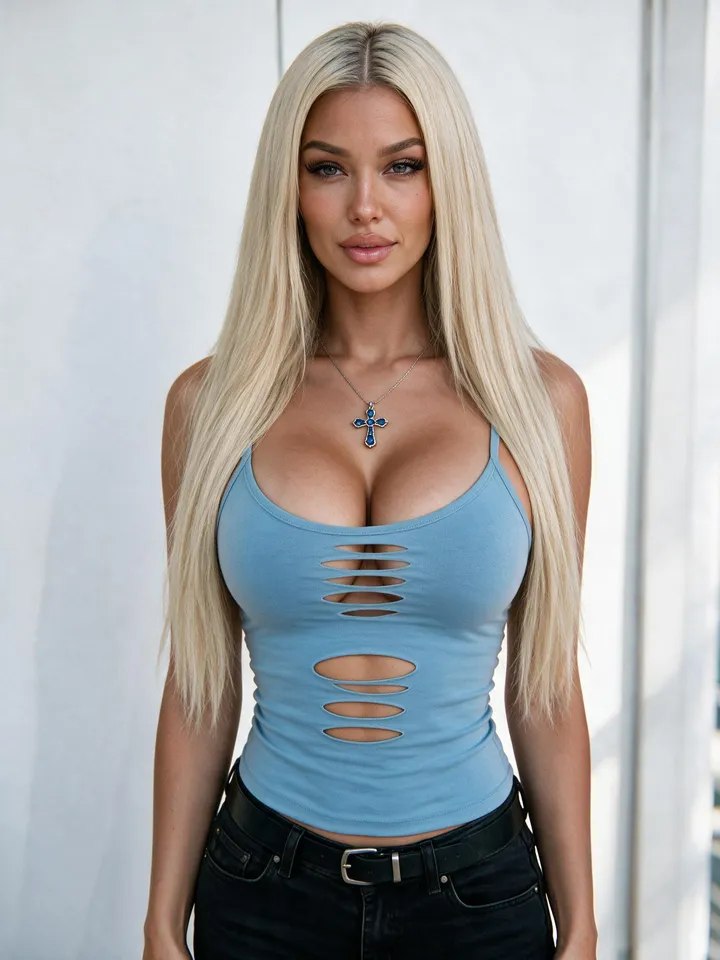
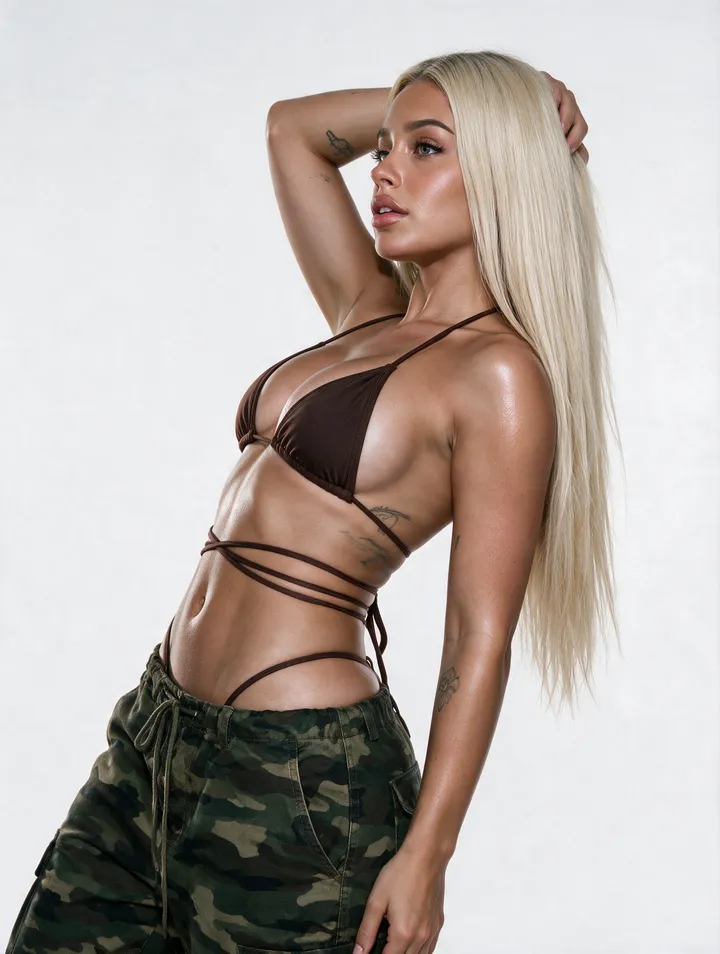
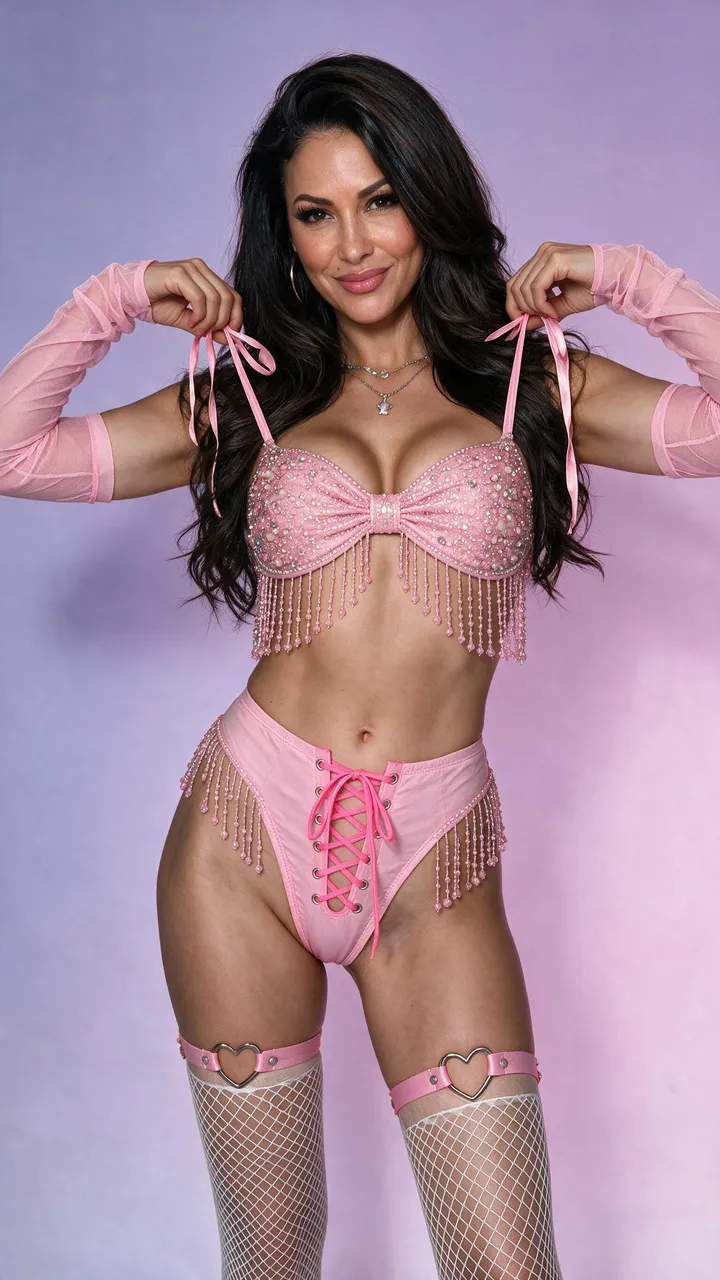
The session is short, because a hosted studio needs a reference set rather than a training set. OFMAI builds one character from 3 reference photos - portrait, front and back - with no training and ready in minutes, then reuses that character in every later generation, so the same look and body carry across photos, short videos, image edits and voice notes. A character designed from a text description instead is 12 credits, or 22 with its 18+ version; a voice clone, which needs her separate consent, is 10.
After that it is unit costs, which is what lets the production bill be quoted as its own line. An adult photo is 3 credits, an image edit 2, a five-second adult clip 10 credits at 480p, 19 at 720p or 38 at 1080p, and a short voice note from 2. On the Agency plan - 1000 credits for $149.99 a month - an adult photo is about 0.45, or roughly 333 of them a month. Failed generations are refunded automatically, subscription credits renew monthly and purchased credits never expire.
When should an agency not recruit a real model at all?
When the look is the only thing you need. A persona designed from a text description carries no licence, no term, no renewal and nobody who can withdraw consent, and on a page where fans never knew a name it sells the same. Recruiting a real model earns its paperwork when she is the draw - when the page sells because people recognise her, or when the clone extends a page she already runs.
Stop as well if any one of three is true: you cannot fund her independent legal advice, which in California is part of what makes the clause enforceable; you cannot give her a way to withdraw the licence for future generations; or you cannot say in one sentence what the content will show. And be honest about the ceiling here - OFMAI fits the content layer of this deal and nothing else. If what you actually need is a messaging team, a scheduler or a contract template, the money belongs in those instead.
At a glance: the five channels, ranked by how often the deal closes
- Referral from a model already on a licence - the highest-converting channel, because she can answer what a cold prospect cannot: did you get paid, and did they do what the contract said. Free, but it needs one deal that already went well.
- Warm outreach to creators already selling - she knows revenue share, platform cuts and customs, so the pitch is "more output from the same look". The catch: her page is the asset she is protecting, so expect a narrow scope and a short term.
- Model and talent agencies - they hold the talent and, increasingly, the digital-replica rights. Research on the fashion side warns that models are usually independent contractors rather than union members, and that real people are being digitised "often without clear standards for consent or compensation" (Sara Ziff of the Model Alliance, Los Angeles Times, 26 August 2025).
- Likeness-licensing startups - firms such as Kartel.ai help a model build a digital replica that brands license for a fee, with the model choosing whether a given use is allowed (Los Angeles Times, 26 August 2025). Cleanest on consent, least flexible on scope.
- Open casting for a paid reference session - a flat fee for a short booking that produces the reference set, advertised as a likeness licence from the first line. Fills a roster fastest, attracts the least informed applicants, and so needs the paperwork most.
- What never comes with her - the account. The identity check and the legal responsibility for every upload stay with the verified human behind the page, even when an agency runs it (OnlyFans Terms of Use clause 8, dated August 2024, read 14 October 2026).
Clone your model and generate your first content in minutes.
Plans from $9.99/month.
OFMAI in numbers
- creators signed up
- 12,000+
- photos and videos generated
- 70,000+
- videos generated
- 10,000+
Frequently asked questions
How do OFM agencies recruit real models for AI cloning deals?
Through referrals, warm outreach to creators already selling, talent agencies, likeness-licensing startups and open casting for a paid reference session - then with a written likeness licence naming the fee, the scope and the term, signed before the first image is generated. The licence is kept separate from management commission, which runs 20% to 70% of net depending on scope (Desirely, read 19 November 2026).
What do you pay a model to license her look for an AI page?
No benchmark is published for an adult AI clone. Outside adult, a 30-day campaign runs $300 to $900 for standard talent and $1,000 to $3,000 at 50,000 to 500,000 followers, with buyouts at $2,500 to $15,000 and $15,000 to $50,000 (Toptal, read 19 November 2026). The same guidance prefers an upfront creation fee plus ongoing usage pay over a flat buyout.
Does the model have to be the verified account holder?
Not necessarily, but a verified human does, and that human carries the legal responsibility for every upload even when an agency runs the page (OnlyFans Terms of Use clauses 6 and 8, dated August 2024, read 14 October 2026). Fanvue verifies the person behind the account rather than the character and applies the AI label (help.fanvue.com, read 2 November 2026).
Does renaming the character mean the licence does not apply?
No. Right-of-publicity statutes reach an assumed name and a clearly identifiable reference as well as a legal name, and they protect likeness and distinctive appearance separately from the name (Ohio Revised Code chapter 2741, read on codes.ohio.gov 15 October 2026). A new label changes the marketing, not the consent you need.
How many reference photos does the model have to provide?
On OFMAI, 3 - a portrait, a front shot and a back shot - with no training, and the character is ready in minutes. That is why the session can be a short paid booking rather than a shoot day, and why the licence rather than the photography is the slow part of recruitment.
Can an agency use a model's existing public photos instead?
No. OFMAI permanently blocks any real person's likeness used without their consent, enforced by automated detection and human moderation, and the statutes require written consent obtained before the use, from someone entitled to give it, within the scope granted (Ohio Revised Code chapter 2741, read on codes.ohio.gov 15 October 2026). Public photos are not consent.
Related: How agencies split revenue with the model behind an AI clone · Is it legal to clone a real model with AI? · ID verification for an AI creator account · Hire an OFM agency, or manage the model yourself? · Running a roster of 10 AI models at once · OFMAI pricing · How much of the revenue customs represent · Keeping the clone consistent shoot after shoot
OFMAI is an 18+ platform for consensual, legal adult content only. We strictly prohibit any content involving minors (including synthetic depictions presented as adults), non-consensual content, and the use of a real person's likeness without their consent, enforced by automated and human moderation. Competitor names are referenced for comparison only and are trademarks of their respective owners; OFMAI is not affiliated with or endorsed by them.
Build the character once the licence is signed
OFMAI turns 3 reference photos into one character you reuse forever - same look, same body, across photos, short videos, image edits and voice notes. Plans start at $9.99 a month; the Agency plan is 1000 credits for $149.99. We make the content; the contract and the inbox stay yours.
Plans from $9.99/month.